


This is the oldest bit in my bit box. It is a bit I bought when I started eventing back in the early 1980s.
At the time I was leasing Dudley, a green Hannovarian/TB gelding. We started him over fences and six weeks later took him out Novice at Pleasant Hollow.
Dudley was a horse that I normally rode in a full cheek single jointed snaffle. Neither he — nor I — had ever jumped cross country and I had no idea what he’d be like on course. We’d schooled over a few isolated fences, but this was all new.
My trainer suggested the big twist as she felt it would give me a bit extra control out on course if I needed it . . . but it wasn’t going to back him off the bit too much.
How it works
A full cheek bit is a useful bit for a horse where you might have trouble turning because the cheek pieces of the bit exert pressure on the side of the horse’s mouth to encourage turning. The design of the bit also prevents the rider from pulling the bit through the horse’s mouth. If you use keepers with the bit, this adds even more stability to the bit (and also helps prevent it from catching on things).
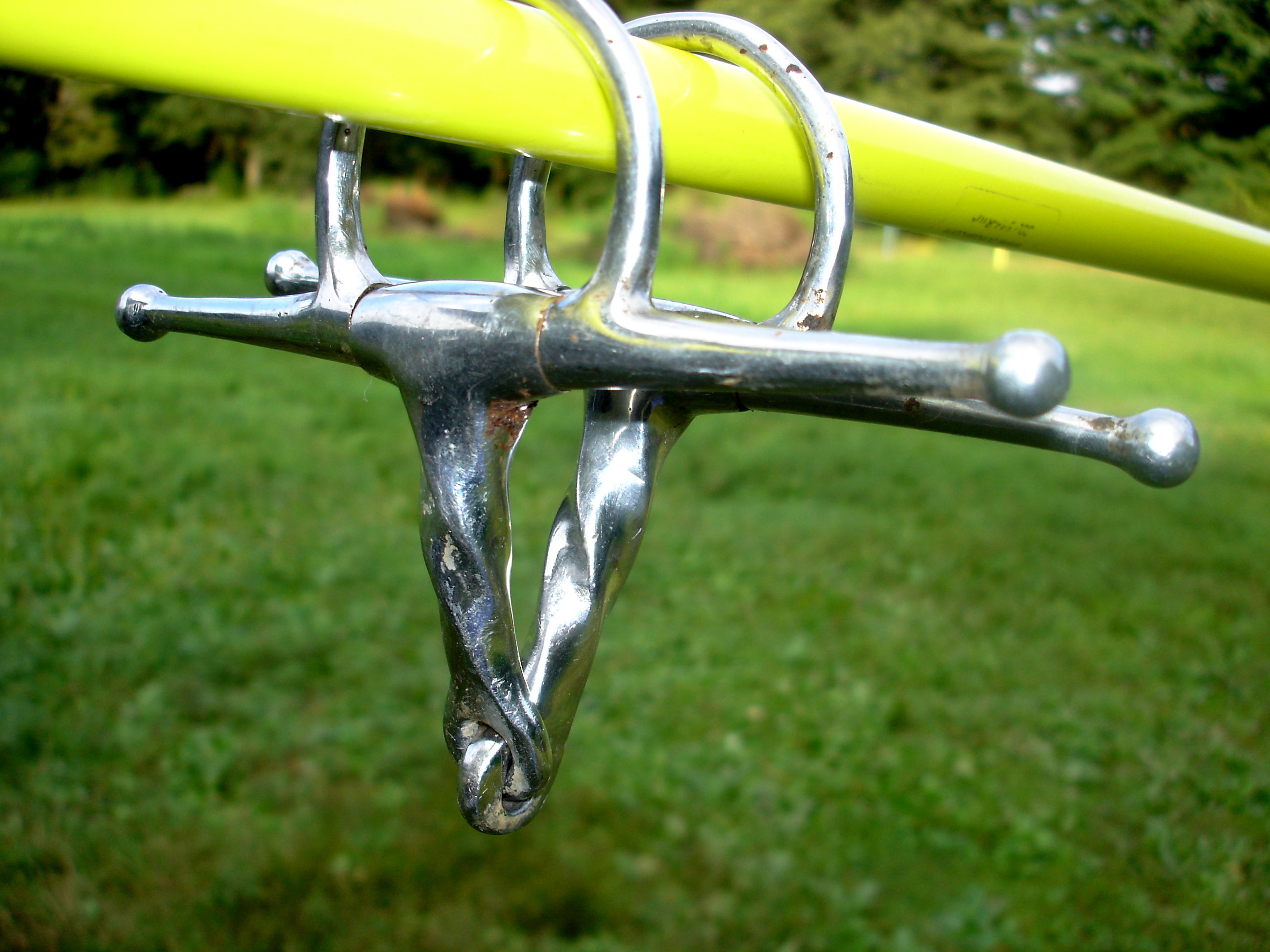
The twist in the metal gives the bit more “teeth” than a smooth bit, but is not considered to be particularly severe. It will impact the lips and the bars. The slow twist may help get your horse’s attention in situations where he might ignore a plain snaffle.
Did it work? It certainly made me feel more in control when riding xc, but I suspect that much of it was in my mind. Dudley wasn’t a strong horse xc and I probably didn’t need it for control, just for security.